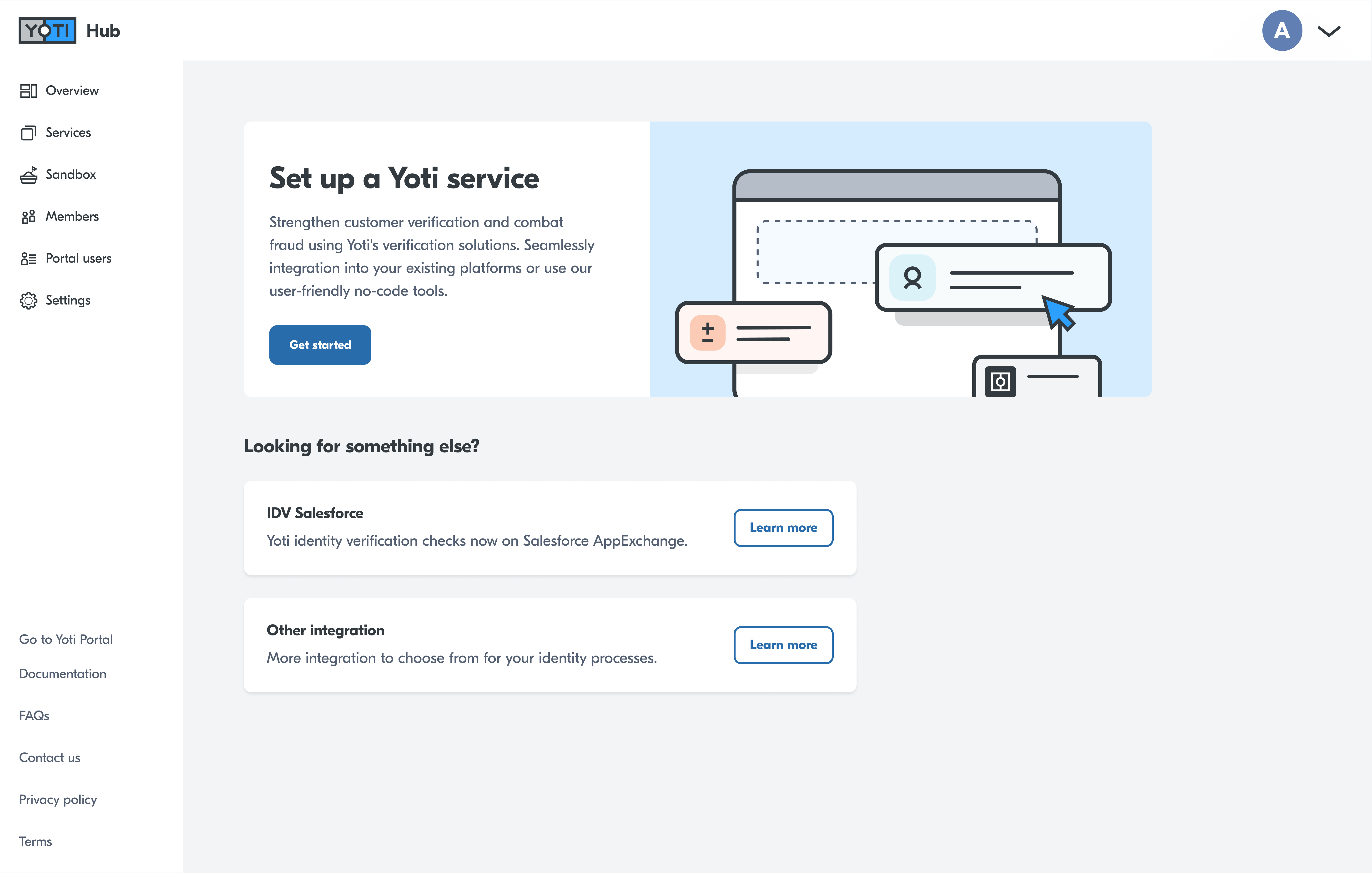
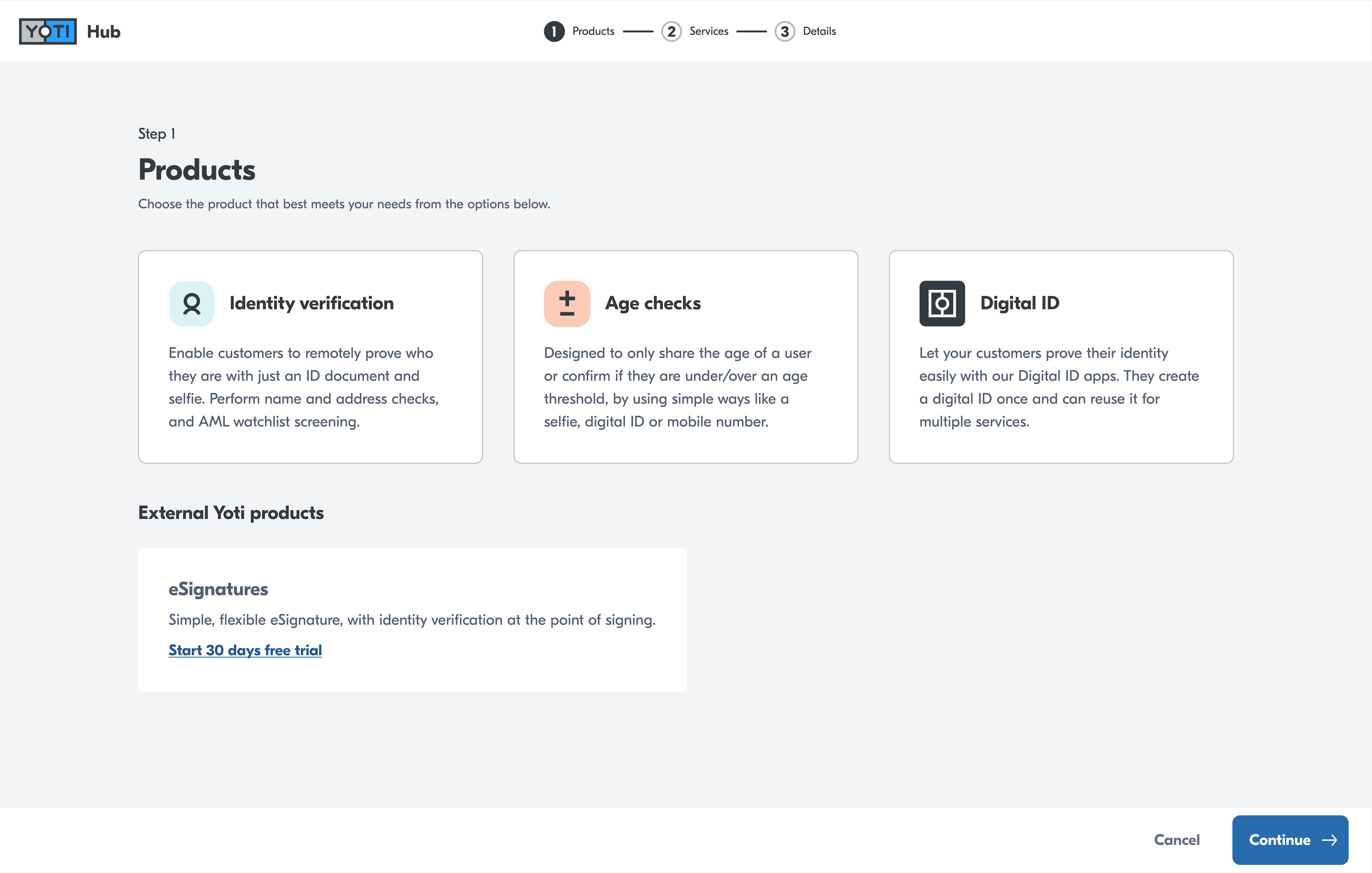
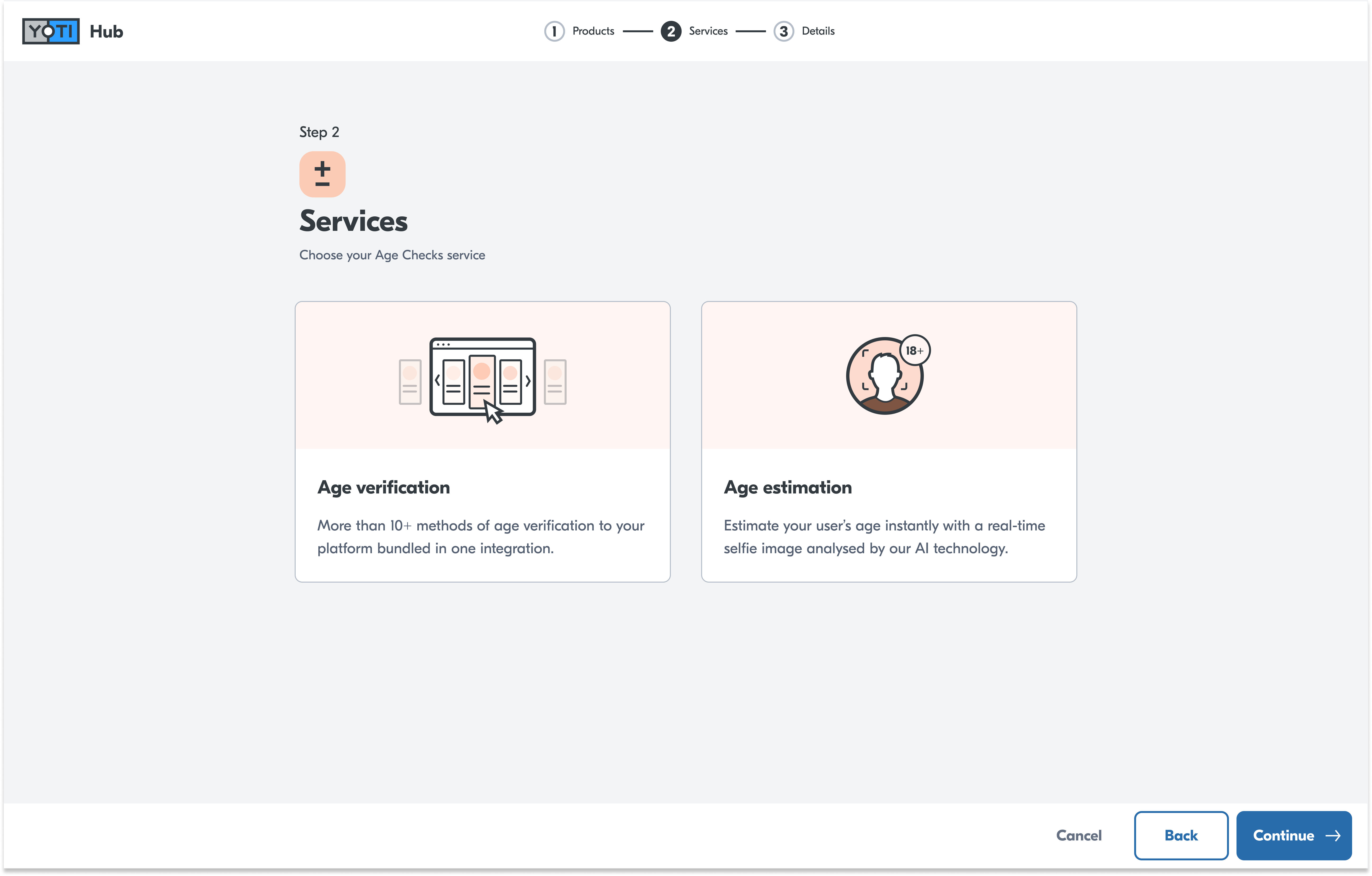
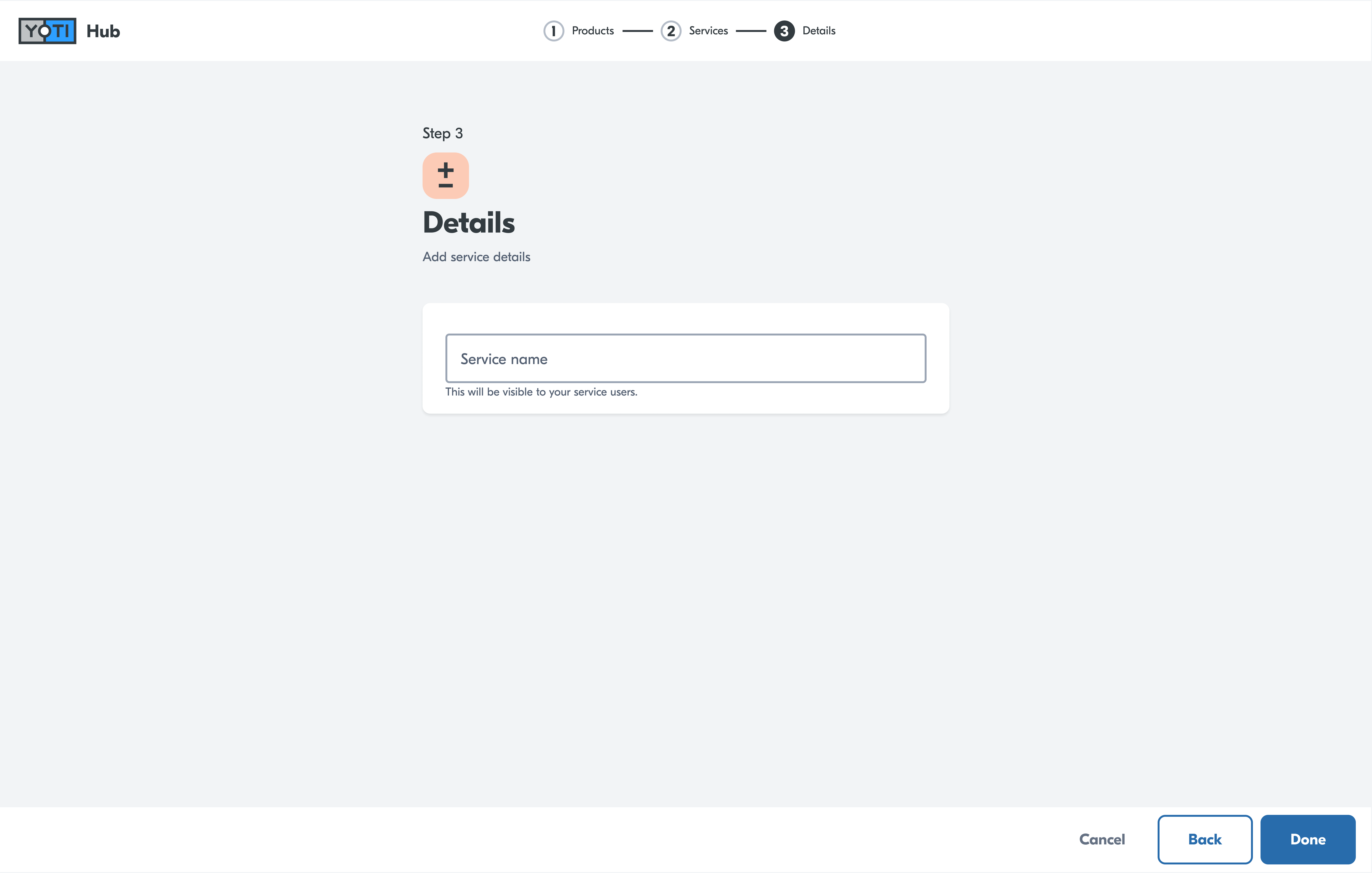
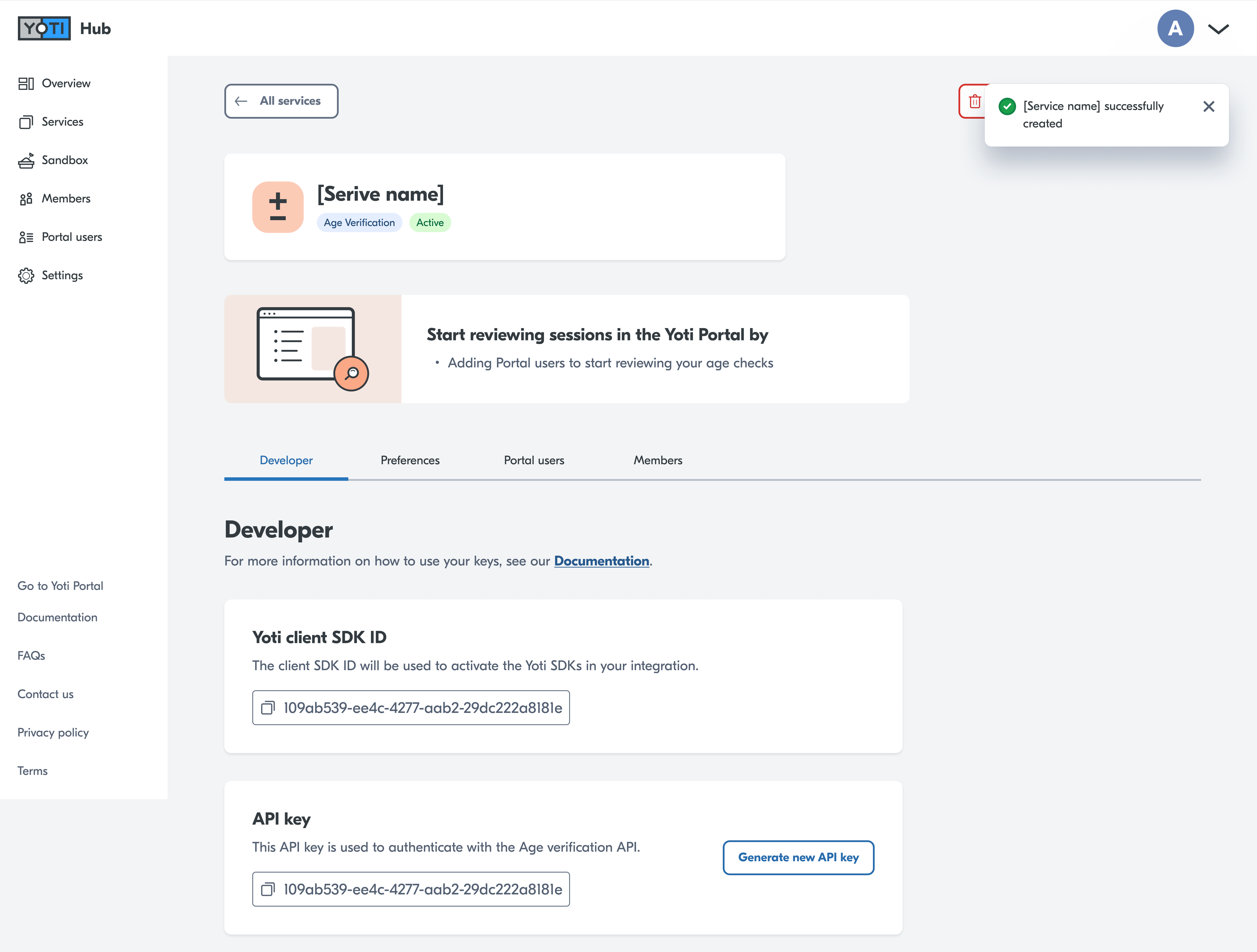
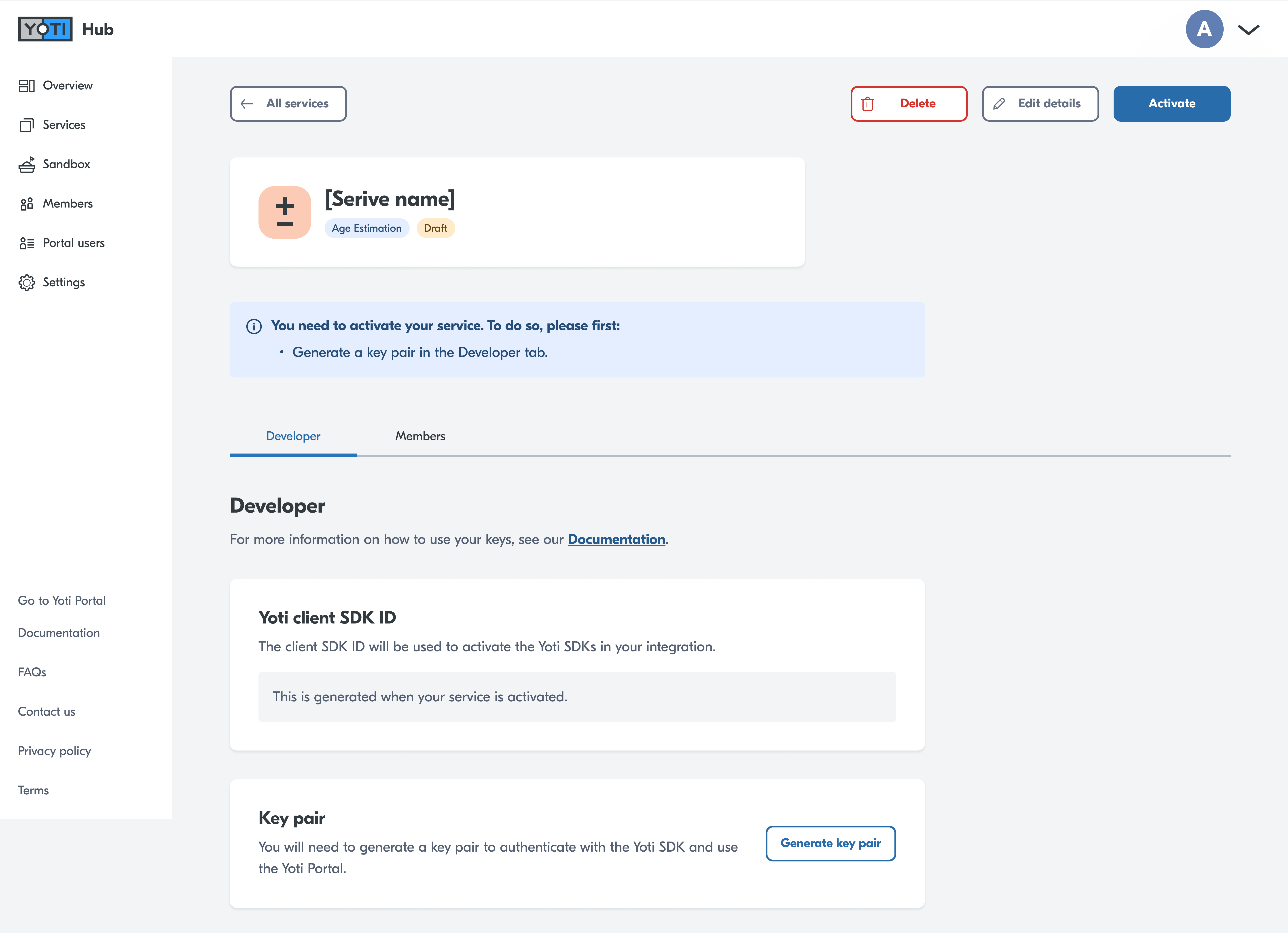
I led the end-to-end design process, from running stakeholder interviews to uncover internal and user pain points, to planning and moderating usability testing with real Yoti customers. I owned the restructuring of the core flows and information architecture, and delivered the final high-fidelity designs used for implementation.
Simplifying how organisations create and manage identity services
CONTEXT
To use any Yoti product in production, customers must create a service. This is the step where they choose a product, configure it, and decide who in their organisation can use it.
problem
Users faced confusion and friction when creating services in the Hub.
- Terminology like “application” was unclear, leading to misunderstandings (renamed it to “service”).
- IDV users, the majority encountered many settings they didn’t always understand, making setup challenging.
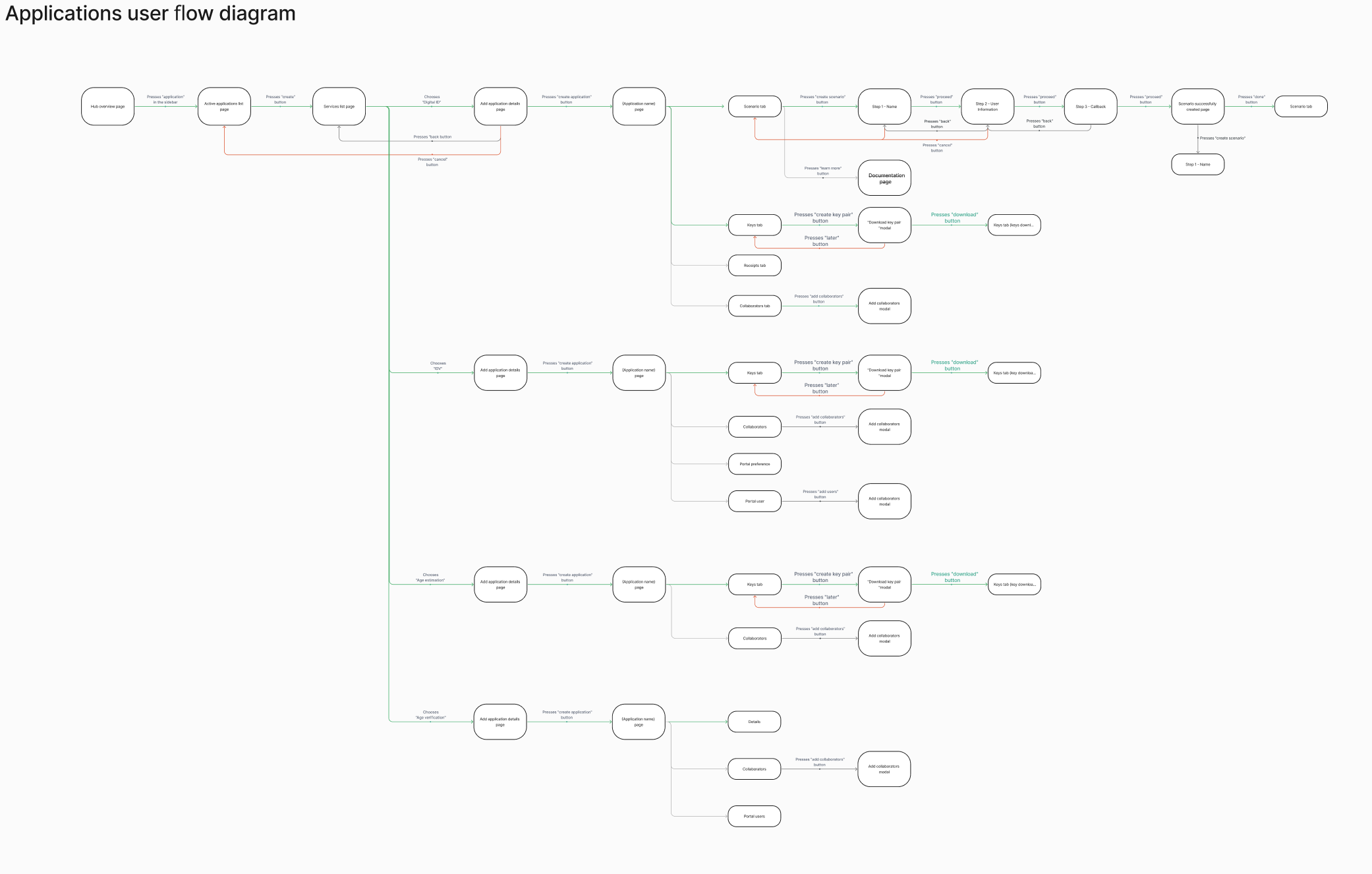
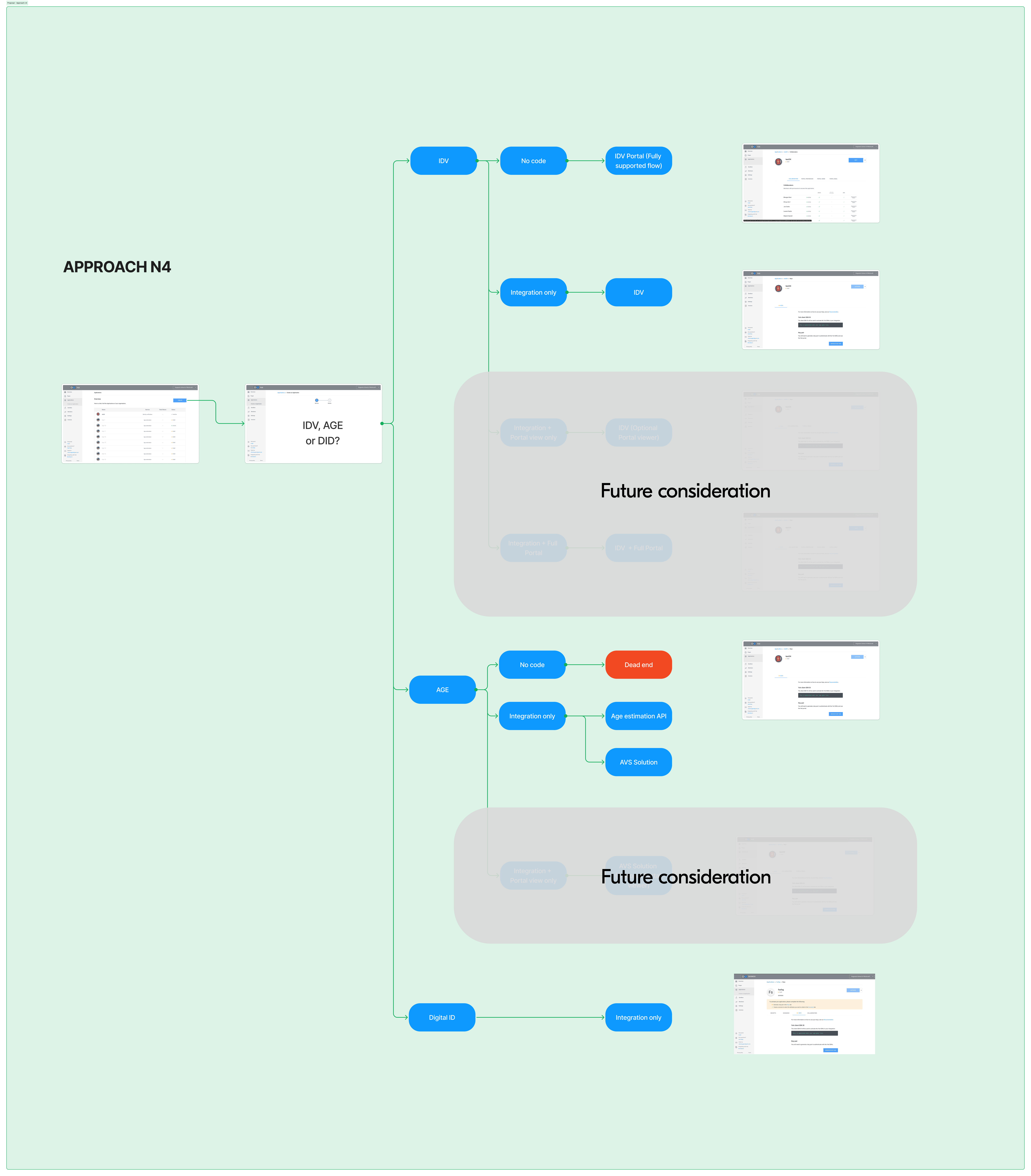
- One service creation flow served both API and Portal users, despite their different needs and expectations.
- No-code users experienced unnecessary complexity, slowing down their workflow and increasing frustration. Together, these issues made a critical step in the customer journey harder than it needed to be, highlighting the need for a clearer, more intuitive flow.
outcome
- Reduce the cognitive load of configuring an application (especially for No-code users)
- Define clear distinction between "No code" and "Integration" users
- Streamline service creation
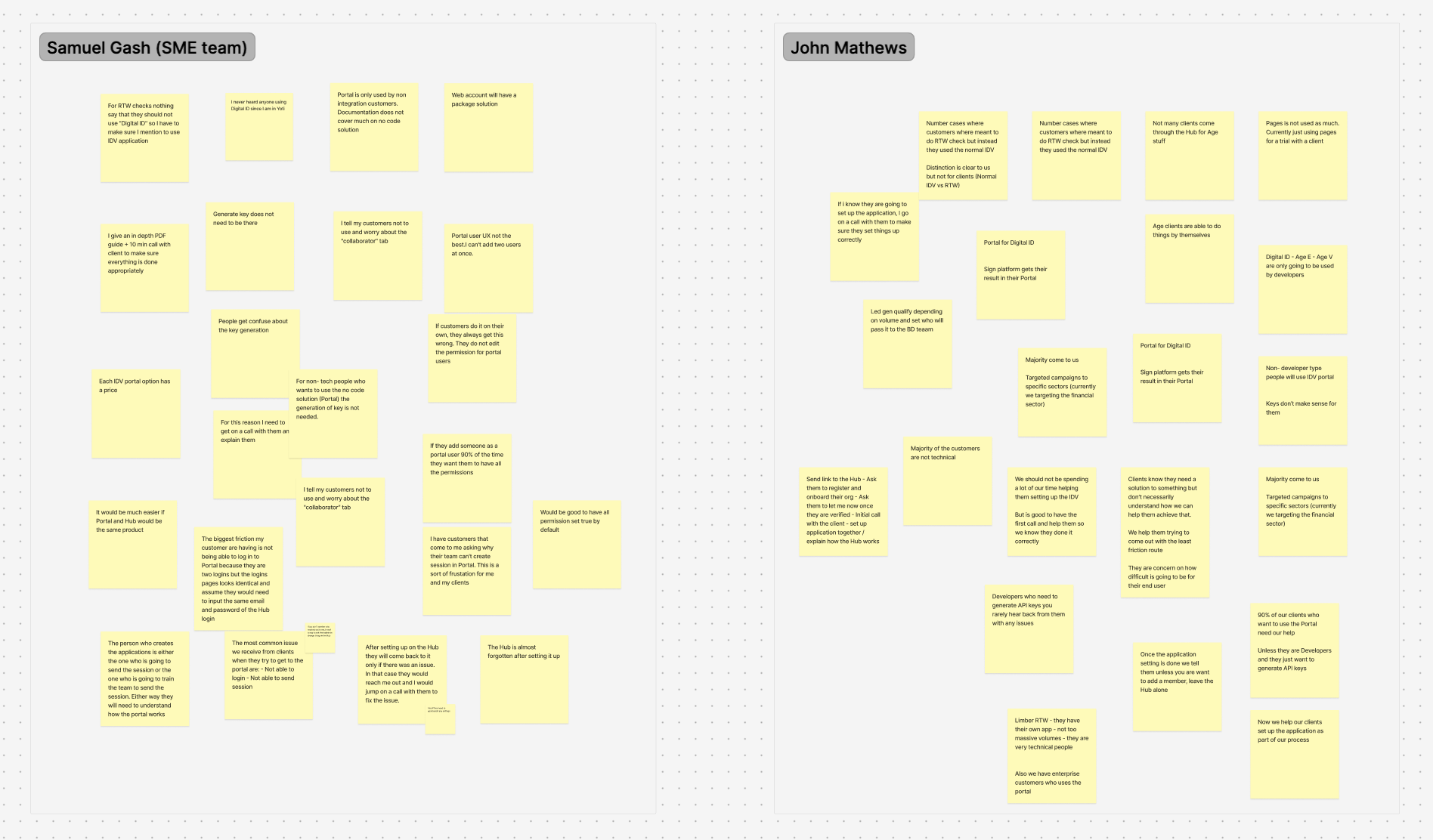
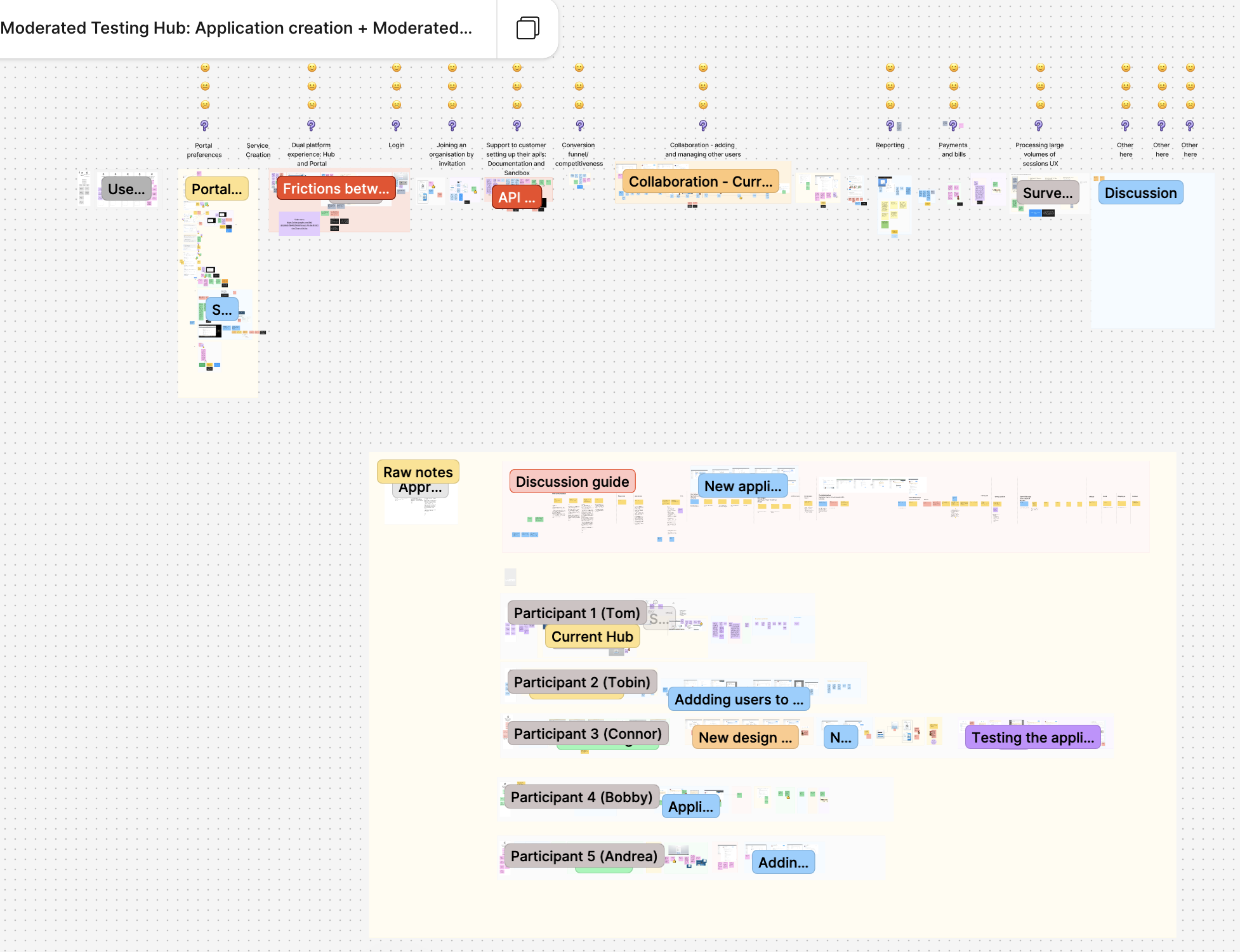
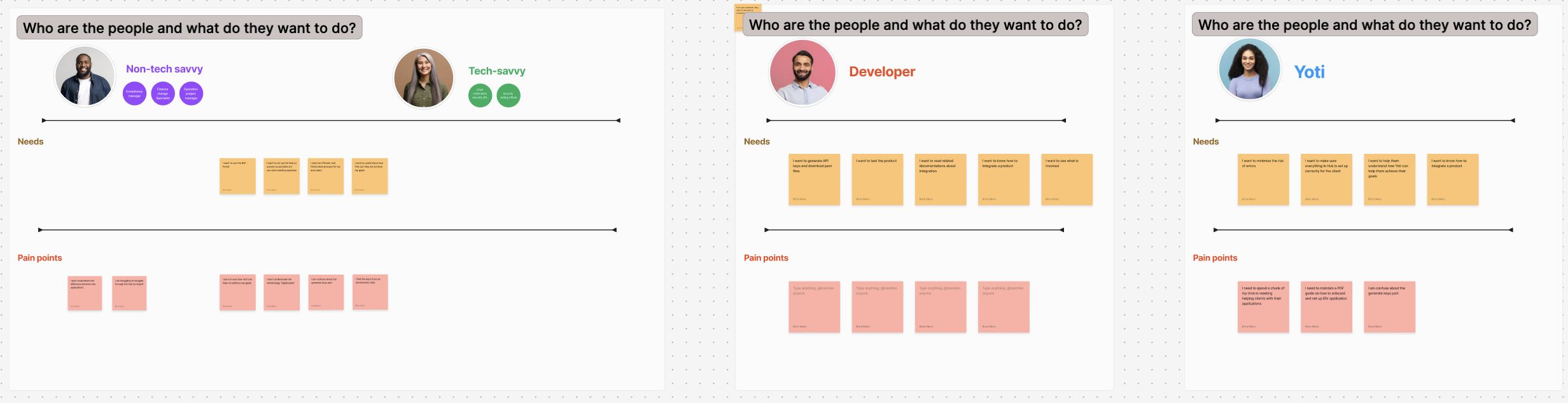
DISCOVERY & USER TESTING
final results